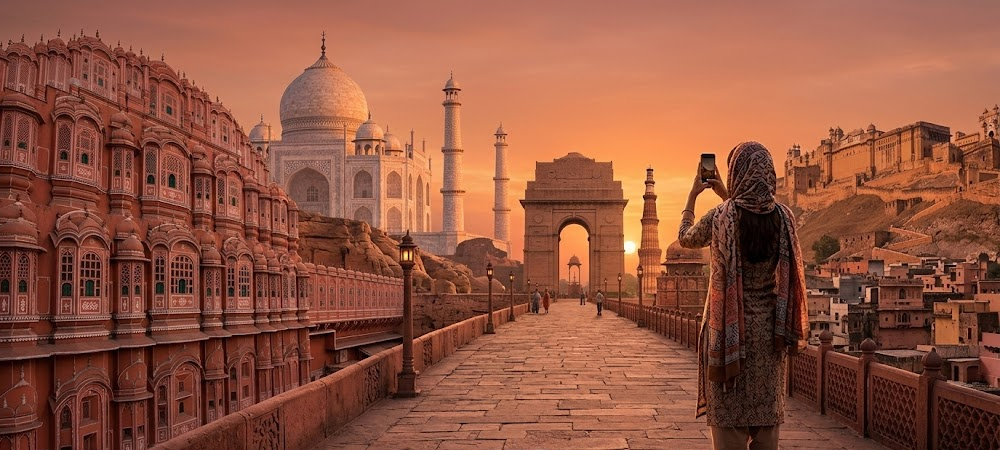
Best Time to Visit India: Month-by-Month Travel Guide for Every Season
Let me guess. You just Googled "weather in India," saw a terrifying mix of 110-degree heat warnings, monsoon flood alerts, and snowy mountain passes, and now you have absolutely no idea what to pack in your suitcase.
Don't panic. Trying to figure out the "best" time to visit India is basically like trying to figure out the best time to visit all of Europe at once. India isn't just a country; it's a massive subcontinent with its own wildly different microclimates. Packing for this place is like packing for three different planets.
You’ve got the freezing peaks of the Himalayas in the north, the bone-dry deserts of Rajasthan in the west, and the sticky, tropical backwaters of Kerala in the deep south. If you time your trip perfectly, you’ll have the absolute vacation of a lifetime. If you time it poorly, you’ll spend two weeks hiding in an air-conditioned hotel room or wading through waist-deep puddles.
I’ve sweated through May in Delhi. I’ve frozen in January in Ladakh. I’ve been caught in apocalyptic downpours in Mumbai. After years of trial and error, I've put together this completely unfiltered, month-by-month guide to India's weather. No fluff. Just what to expect, where to go, and where to avoid at all costs.
The Big Three: Understanding India's Seasons
Before we break it down by month, you need to understand the broad strokes. The western idea of four distinct seasons doesn't really apply here. In India, you are dealing with three main beasts.
1. The Winter (October to March): The Golden Window
This is the high season. It’s when 90% of tourists show up, and for good reason. The skies are blue, the humidity finally drops, and the temperatures are actually manageable. If you want to do the classic Golden Triangle (Delhi, Agra, Jaipur) or hit the beaches in Goa, this is the time to do it. The only downside? Prices are higher, and the crowds are thick.
2. The Summer (April to June): The Melting Point
I cannot stress this enough: Indian summers are brutal. By May, the central plains and northern cities feel like the inside of a pizza oven. Temperatures regularly blast past 45°C (113°F). However, if you want to see tigers in the national parks or hike in the high Himalayas (places like Ladakh or Spiti Valley), this is your absolute best window.
3. The Monsoon (July to September): The Great Washout
The monsoon isn't just a rainstorm; it's a massive weather system that rolls up from the south and swallows the entire country. The rain is biblical. Roads wash out, trains get delayed for days, and sightseeing becomes a soggy nightmare. That said, regions like Kerala look impossibly lush and green, and Ayurvedic wellness retreats offer their best discounts of the year.
The Month-by-Month Breakdown
Alright, let’s get into the weeds. Here is exactly what is happening across the subcontinent, month by month.
January: Peak Winter Magic
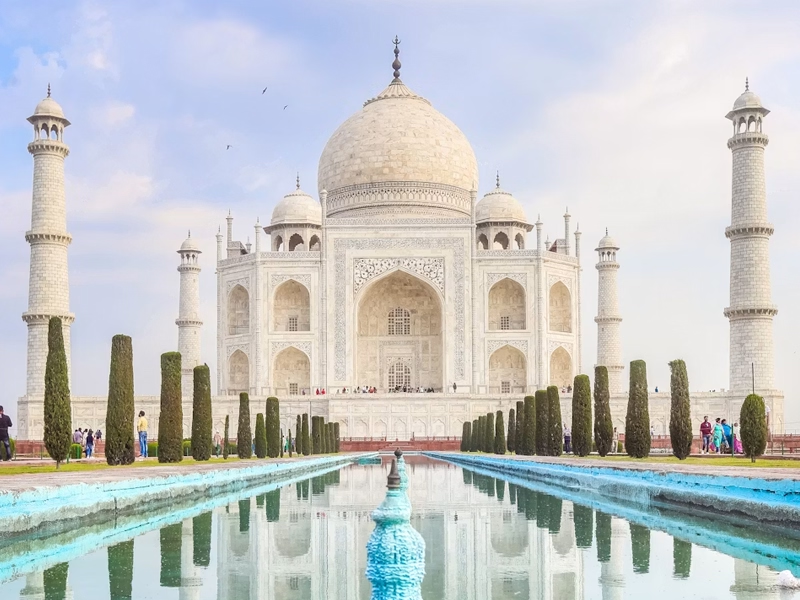 January mornings in North India are famously foggy, giving ancient monuments a mystical vibe.
January is prime time for the southern half of the country. If you want to cruise the backwaters of Kerala, lounge on the beaches of Goa, or explore the ancient temples of Tamil Nadu, the weather is absolute perfection. It's warm, breezy, and completely dry.
Up north, however, it's a different story. Delhi, Agra, and parts of Rajasthan get surprisingly cold, especially at night. You will need a heavy jacket. January is also famous for thick morning fog. This means your 6:00 AM Taj Mahal sunrise view might just be a view of a white, foggy wall. Flights and trains out of Delhi are frequently delayed due to low visibility.
Where to go:
Goa, Kerala, Hampi, Mumbai.
Where to skip:
The far north (unless you are specifically going for winter sports in Kashmir) and anywhere you require a tight, strict flight schedule out of Delhi.
February: The Sweet Spot
If I had to pick the single best month to visit India, it would be February. The biting cold in the north has vanished, replaced by perfect, sunny, 75-degree (F) days. The brutal summer heat hasn't shown up yet. The fog lifts, meaning the trains start running on time again.
This is the ultimate month for the Golden Triangle and Rajasthan. You can spend all day walking around massive forts in Jaipur or Jodhpur without breaking a massive sweat. The wildlife parks in Madhya Pradesh are also starting to dry out, making tiger spotting a bit easier as the animals come to the shrinking waterholes.
Where to go:
Literally anywhere in the central or southern regions. Rajasthan is spectacular right now.
March: The Festival of Colors
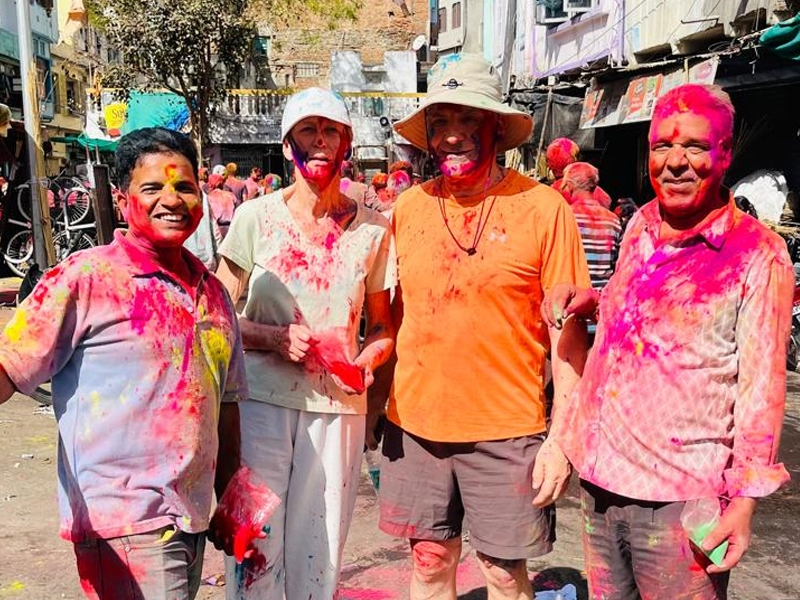 March brings Holi, the incredible festival of colors. Expect to get very, very messy.
March is a transition month. The first half is usually fantastic, holding onto that perfect February weather. But by the last week of March, you can feel the summer heat starting to knock on the door.
The main reason to visit in March is Holi. The festival of colors usually falls in the middle of the month (the date changes yearly based on the lunar calendar). If you want to experience the absolute joyful madness of throwing colored powder in the streets, aim for Mathura, Vrindavan, or Udaipur. Just wear clothes you fully intend to throw away the next day.
April: The Heat Rises
April is when the tourist crowds pack up and go home. The heat really starts to crank up in the central plains. Delhi starts hitting 35°C+ (95°F+), and the humidity in Mumbai becomes pretty heavy.
If you are traveling in April, you need to start shifting your gaze upward. This is the beginning of the season for the hill stations. Places like Shimla, Darjeeling, and Rishikesh offer a brilliant escape from the roasting plains below. It’s also one of the best months for tiger safaris in Ranthambore or Bandhavgarh, as the dry heat forces the big cats out into the open to find water.
Pro Tip: Planning a wildlife safari or a trip up to the mountains requires a lot of logistical heavy lifting. If you don't want to deal with booking specialized jeeps and domestic mountain flights, check out Explore India Private Tours. They can seamlessly connect the hot plains to the cool mountains with private, air-conditioned transport.
May: Peak Summer (Enter the Oven)
I will not sugarcoat this. Do not go to Delhi, Agra, or Rajasthan in May unless you absolutely have to. The heat is punishing, often exceeding 40°C (104°F). It’s the kind of heat that zaps your energy the moment you step outside.
But May is not a write-off! This is the absolute best time to visit the high Himalayas. Head to Ladakh (often called "Little Tibet") in the far north. The snow has melted enough to clear the high mountain passes, revealing jagged peaks, crystal-clear blue lakes, and ancient Buddhist monasteries. It is a completely different world up there, with daytime temperatures sitting comfortably in the 60s (F).
Where to go:
Ladakh, Spiti Valley, Kashmir, Sikkim, and high-altitude national parks.
Where to skip:
The Golden Triangle, Rajasthan, and the central plains.
June: Waiting for the Rain
June is a sweaty, agitated month. The country is holding its breath, waiting for the monsoon to break. The heat is at its absolute peak, and the humidity starts to skyrocket as the storm clouds gather over the Indian Ocean.
Usually, by the second week of June, the monsoon hits the southern state of Kerala and begins its slow march northward. The southern beaches become unswimmable due to rough seas. If you are here in June, stay high up in the northern mountains where the rains haven't reached yet.
July & August: Monsoon Madness
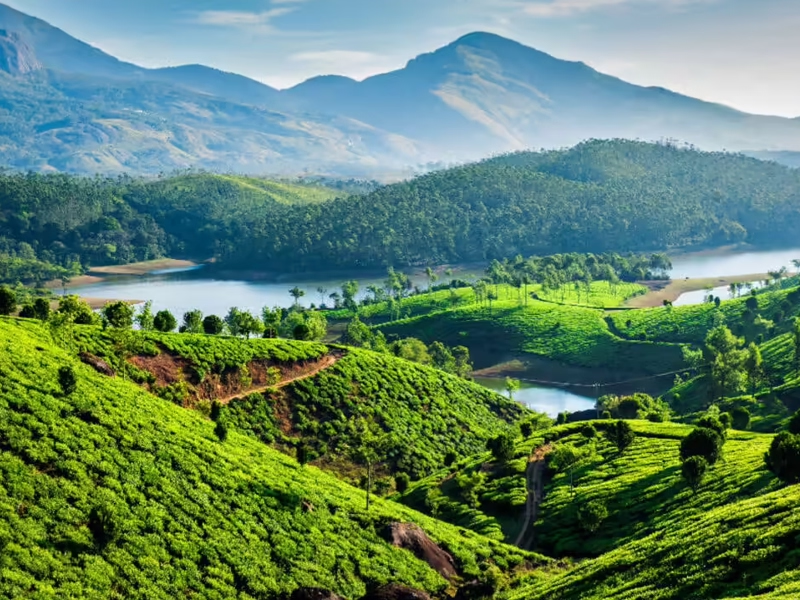 The monsoon turns the tea plantations of Munnar, Kerala, into a vibrant, electric green.
The heavens open up. July and August are the core monsoon months. The rain doesn't fall constantly—it usually comes in massive, torrential downpours for a few hours, followed by muggy, cloudy breaks.
Traveling during this time requires immense patience. Trains get delayed, and roads occasionally flood. However, the country looks incredibly beautiful. Rajasthan, which is usually dry and brown, suddenly turns green. Kerala’s waterfalls are at full force, and the tea plantations look vibrant.
August is also the traditional time for Ayurvedic treatments in the south. The cool, moist air is said to open the pores, making massage and herbal treatments more effective. If your goal is a wellness retreat, August is your sweet spot.
September: The Transition
September is a gamble. The heavy rains are starting to pack up and leave, but they haven't entirely cleared out. The humidity is still quite high across the country.
By late September, the clouds start parting in the north. This is an excellent time to visit if you want to avoid the massive crowds of winter but still want relatively decent weather. The landscapes are freshly washed, dust-free, and wildly green. Plus, hotels are still offering low-season rates before the October rush hits.
October: The Revival
And we are back. The monsoon has officially retreated, and the tourist season kicks off. The weather across the Golden Triangle is warm but pleasant.
October is a highly festive month. You’ll likely catch Dussehra, a massive festival involving parades and the burning of huge effigies. Because the weather is finally cooperating across the board, you can combine a trip to the northern forts with a trip to the southern beaches without compromising on either.
November: Festival Season
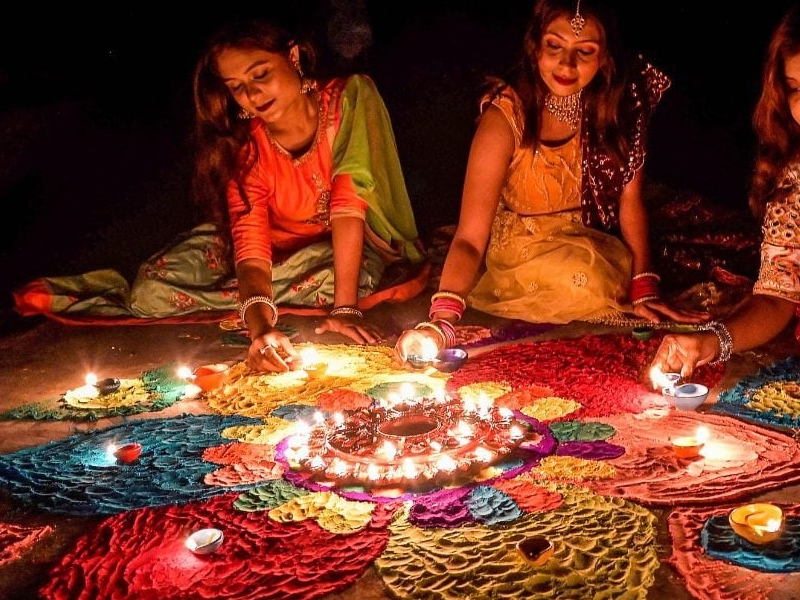 November usually brings Diwali, filling the streets with oil lamps, lights, and non-stop fireworks.
November is spectacular, though it is busy. The weather is crisp, cool, and clear. This is usually when Diwali (the Festival of Lights) takes place.
Being in India for Diwali is incredible—cities are draped in fairy lights, and families light clay lamps on their roofs. But a word of warning: the fireworks are relentless. If you are sensitive to noise or have asthma, the air quality in major cities like Delhi plummets drastically during Diwali week due to the smoke.
Also in November is the famous Pushkar Camel Fair in Rajasthan. Thousands of herders bring their livestock to the desert town for trading, racing, and celebrations. It’s a photographer’s absolute dream.
December: Holiday Crowds
December brings perfect weather and massive crowds. Everyone wants to spend their Christmas and New Year's holidays in India. Goa turns into a giant, sun-soaked party.
If you are planning to visit in December, you need to book your hotels and domestic trains months in advance. The prices will be at their absolute highest. Down south, the weather is flawless. Up north, you'll need to break out those sweaters again as the evening temperatures in Delhi and Rajasthan drop significantly.
Quick Reference: Weather & Destinations
Need the bottom line? Here is how to plan your trip at a glance.
| Season | Best Months | The Vibe | Where You Should Go |
|---|---|---|---|
| Winter (High Season) | November, February, March | Clear, pleasant, crowded | Golden Triangle, Rajasthan, Goa, Kerala, Mumbai |
| Deep Winter | December, January | Cold in north, perfect in south | Kerala Backwaters, Tamil Nadu, Goa beaches |
| Summer (Hot Season) | April, May, June | Brutal heat in the plains | Himalayas (Ladakh, Spiti), Hill Stations (Shimla) |
| Monsoon | July, August | Heavy rain, lush landscapes | Kerala (for Ayurveda retreats), Valley of Flowers |
| Shoulder Season | September, October | Transitioning, green, quiet | Northern plains (late Oct), Central India |
Final Packing Advice
Because the weather varies so wildly, layers are your best friend. Even if you are visiting in the heat of April, bring a light sweater. Why? Because Indian domestic flights and train cars crank their air conditioning down to levels that mimic the arctic circle.
If you want to skip the headache of coordinating all this yourself, let the experts handle it. Reach out to Explore India Private Tours. They know exactly how the seasons shift and can build a custom itinerary that keeps you out of the blistering heat and away from the flooded roads. You'll thank yourself later when you're sipping chai in a comfortable, climate-controlled car.